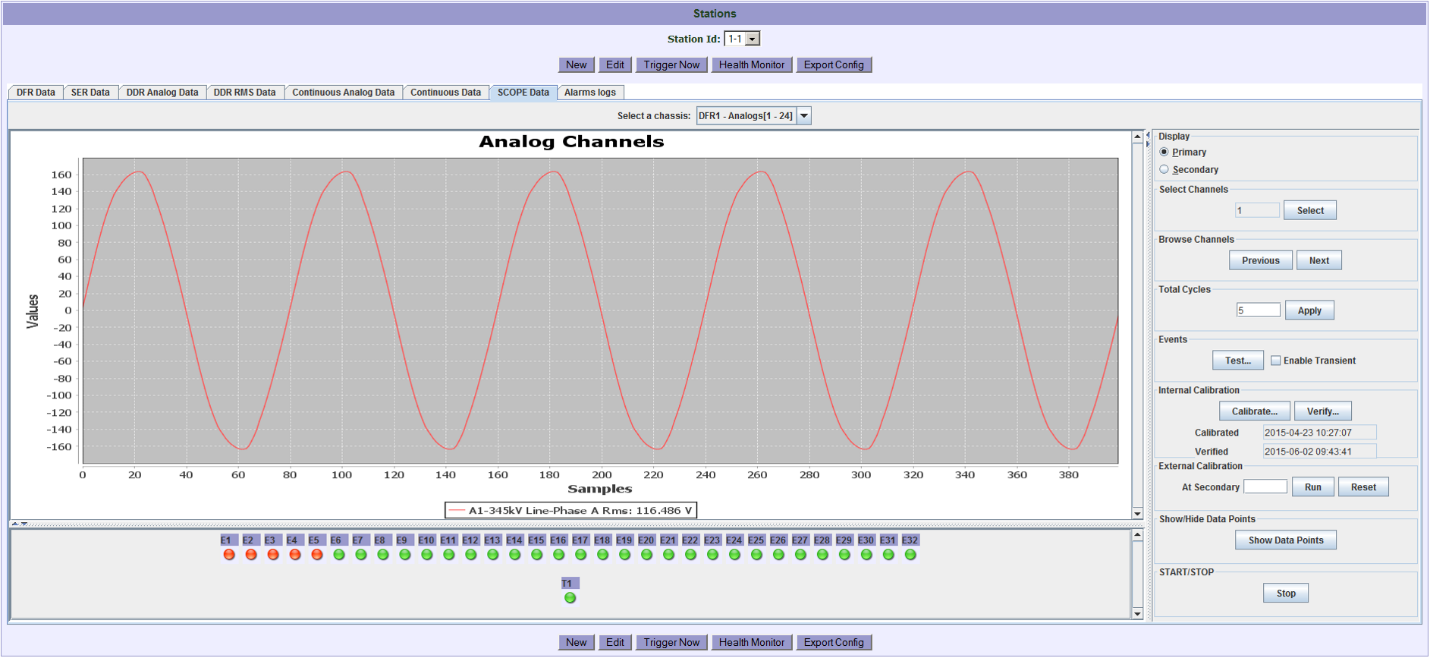
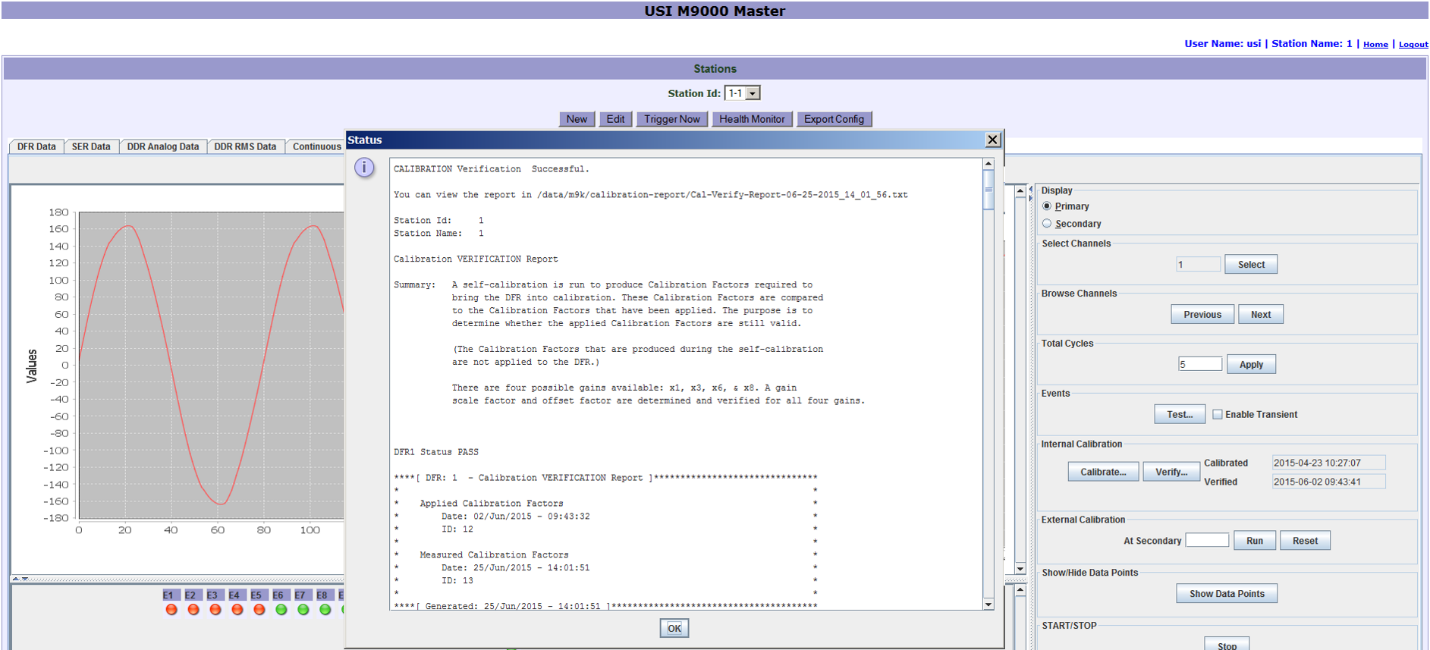
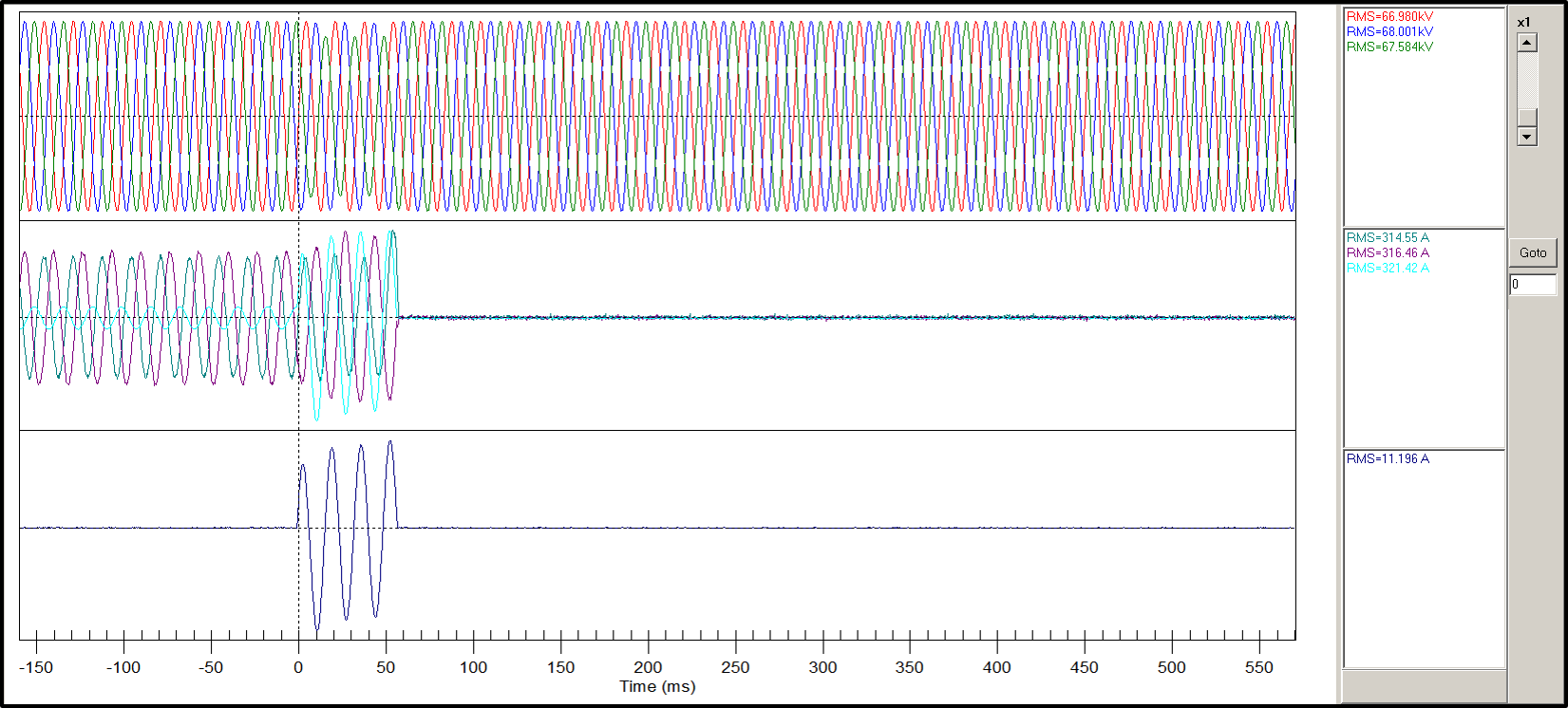
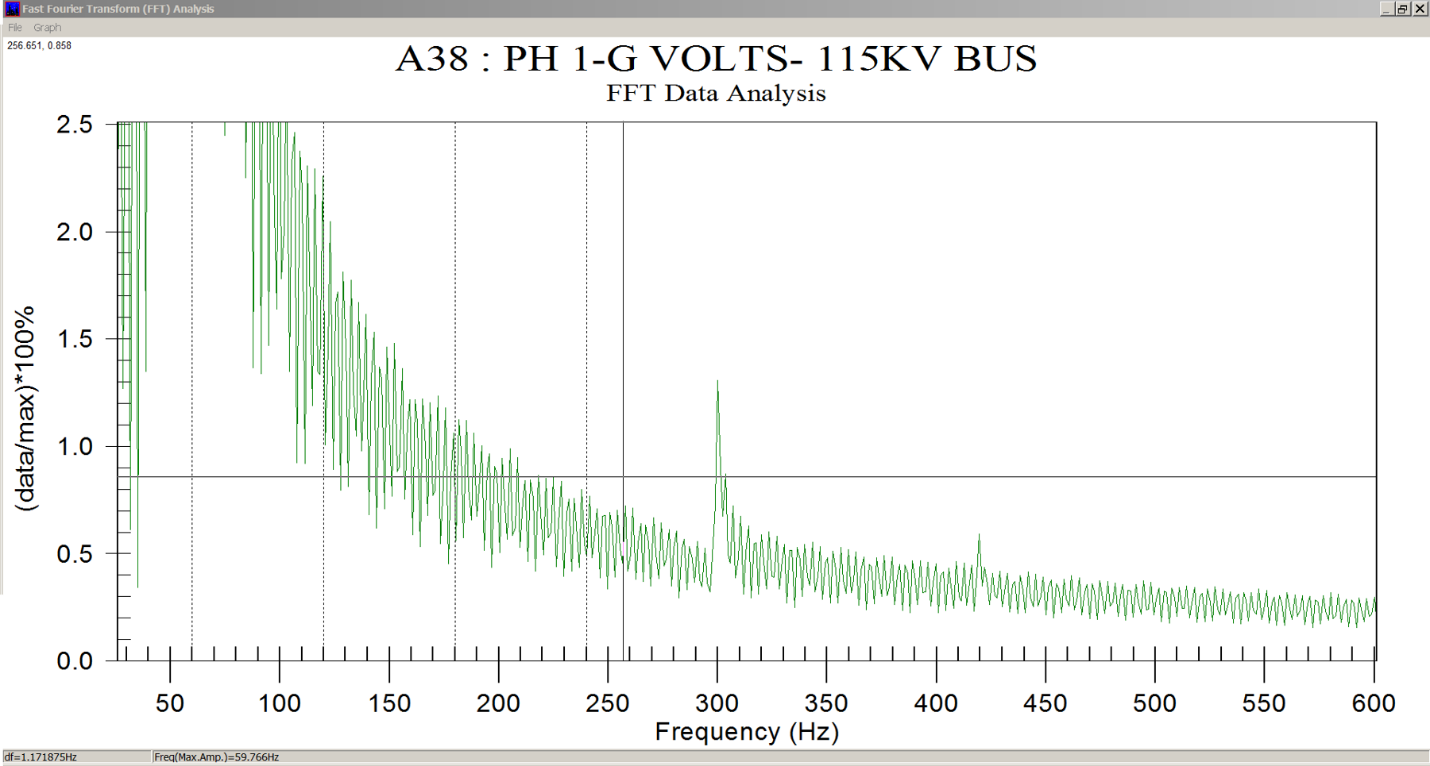
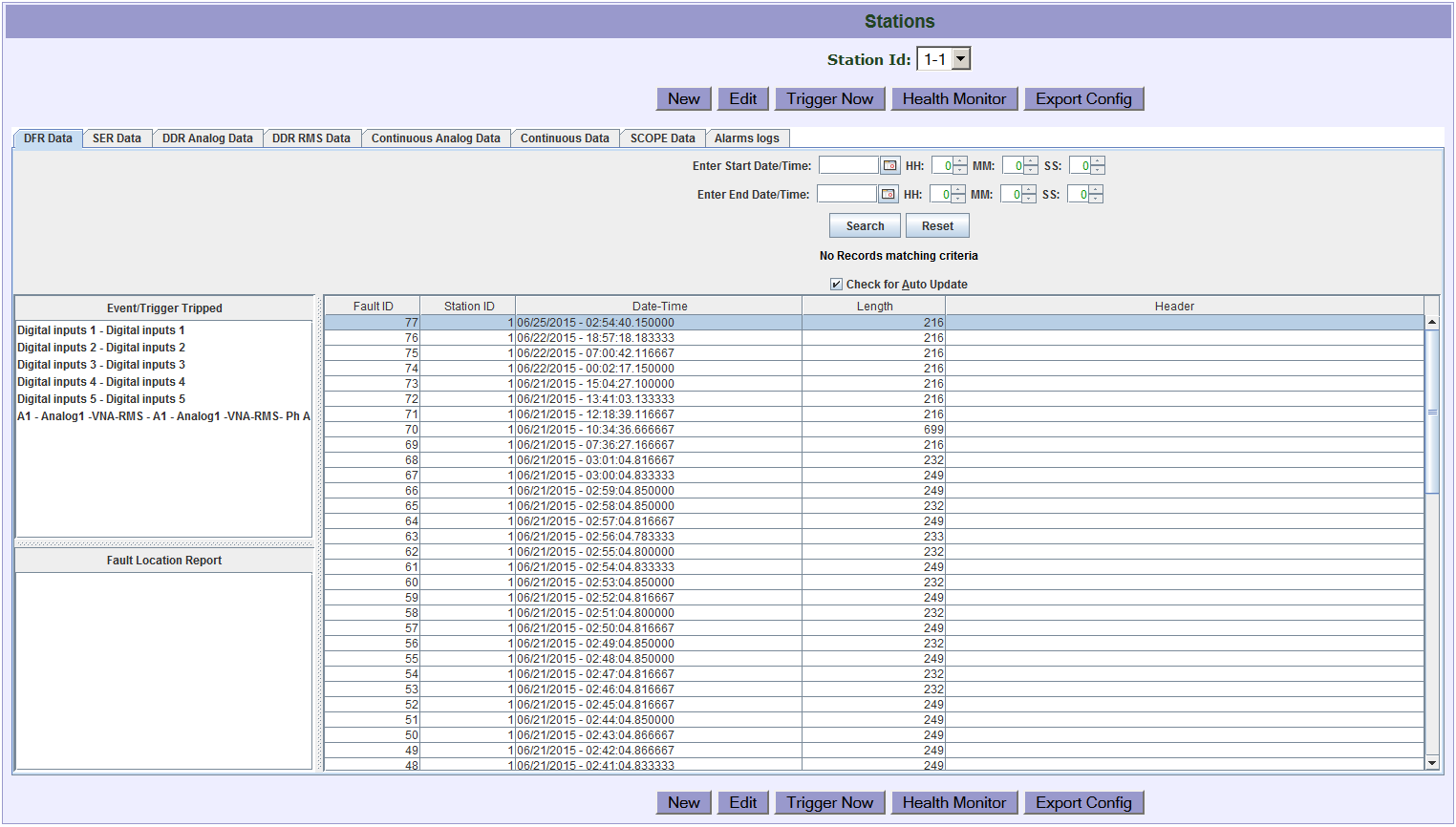
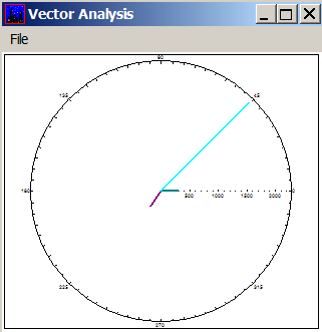
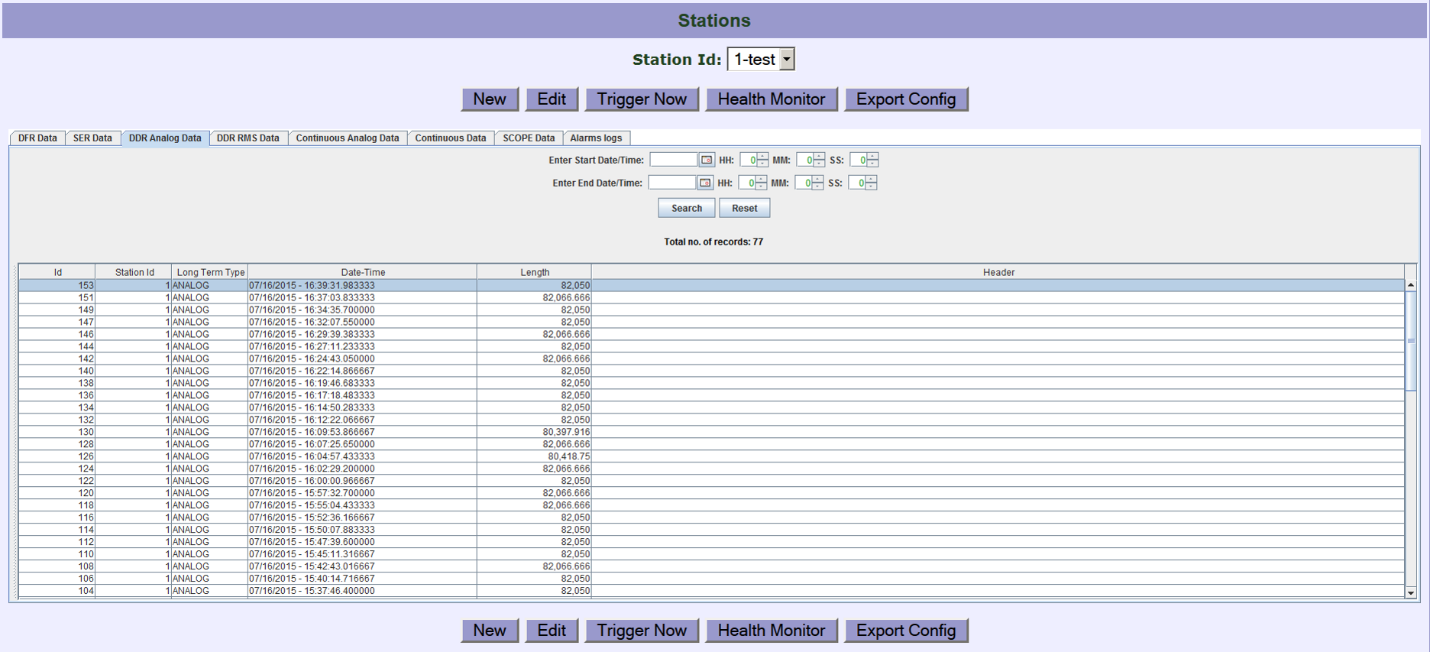
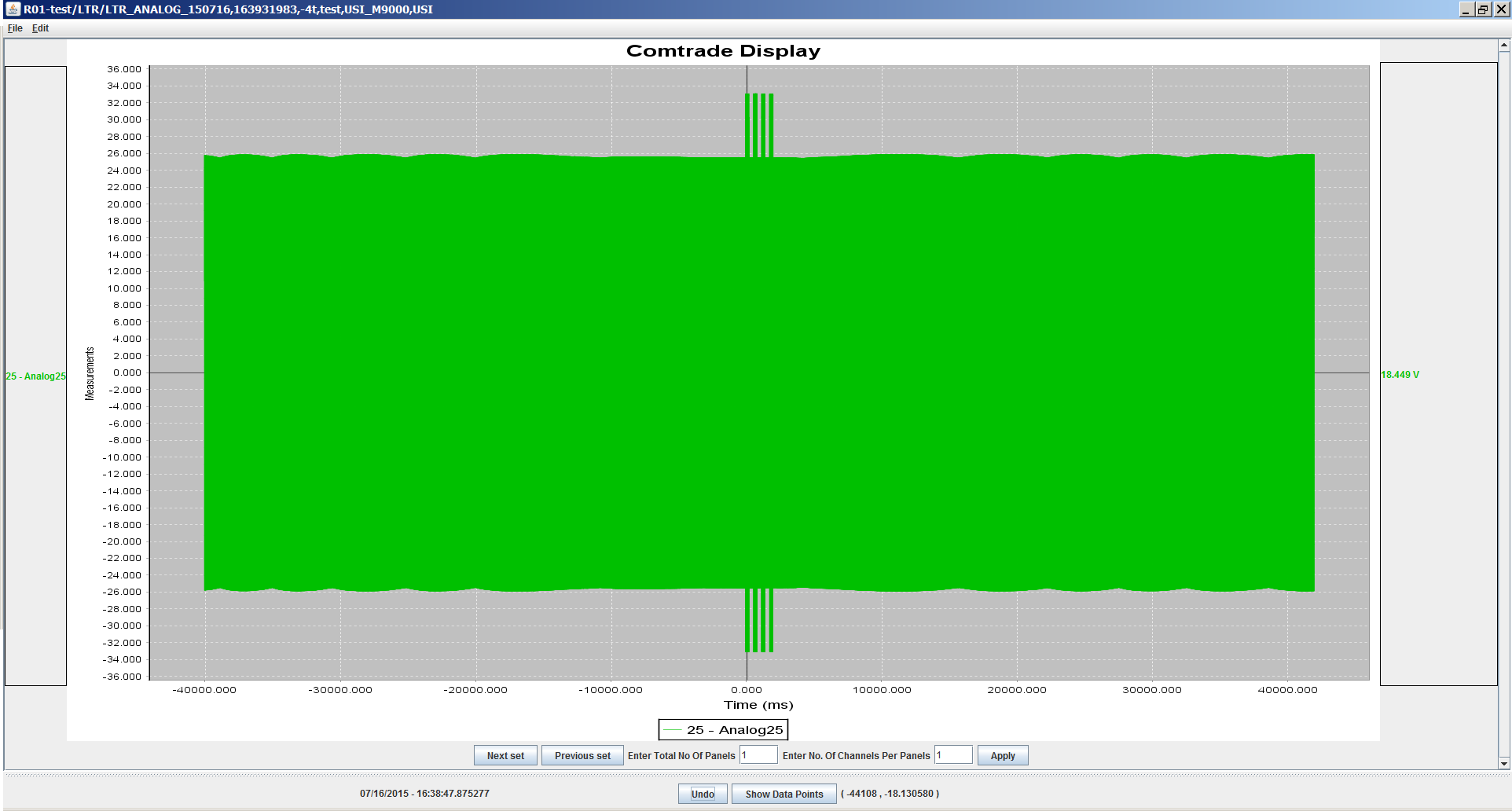
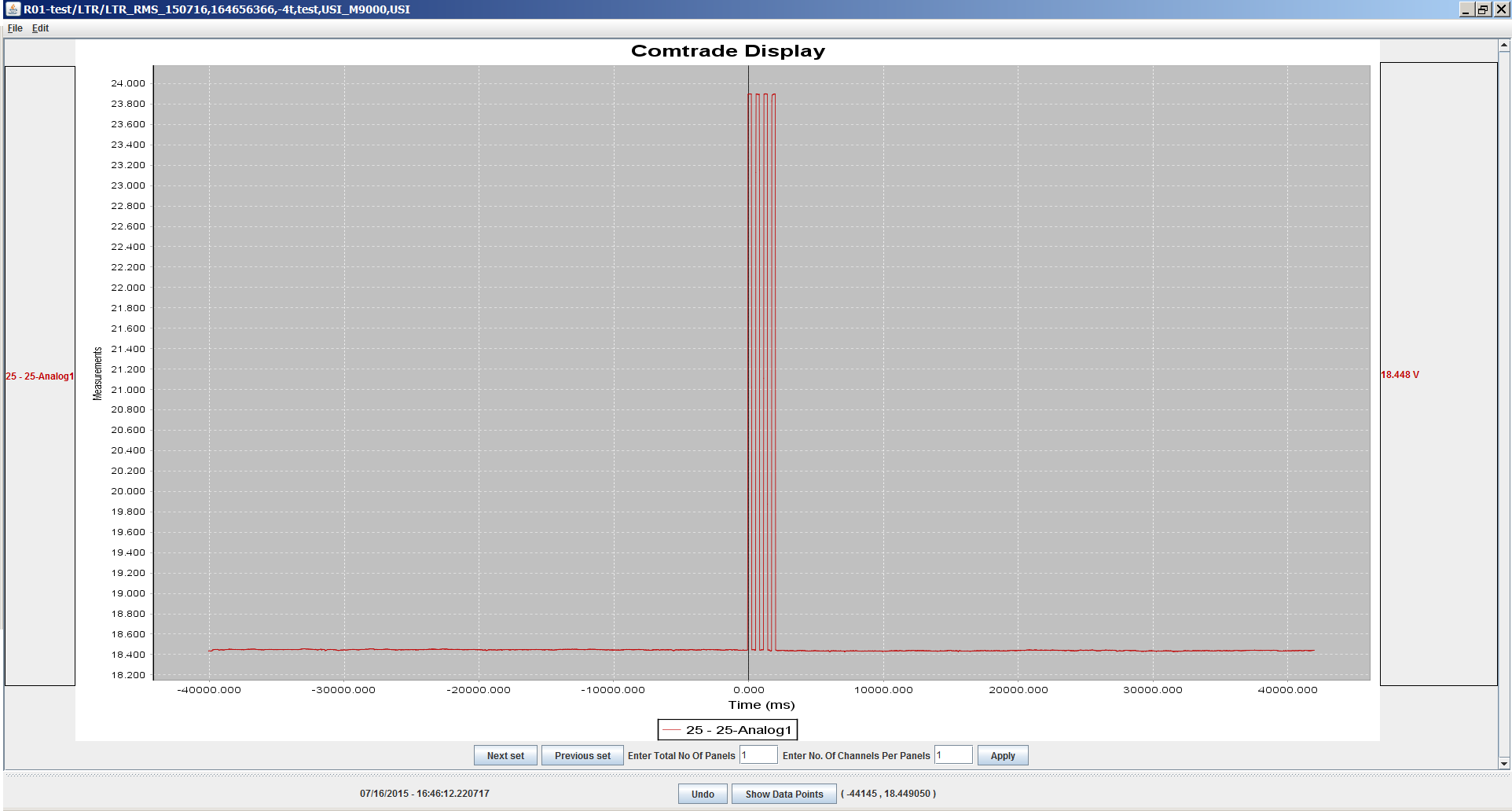
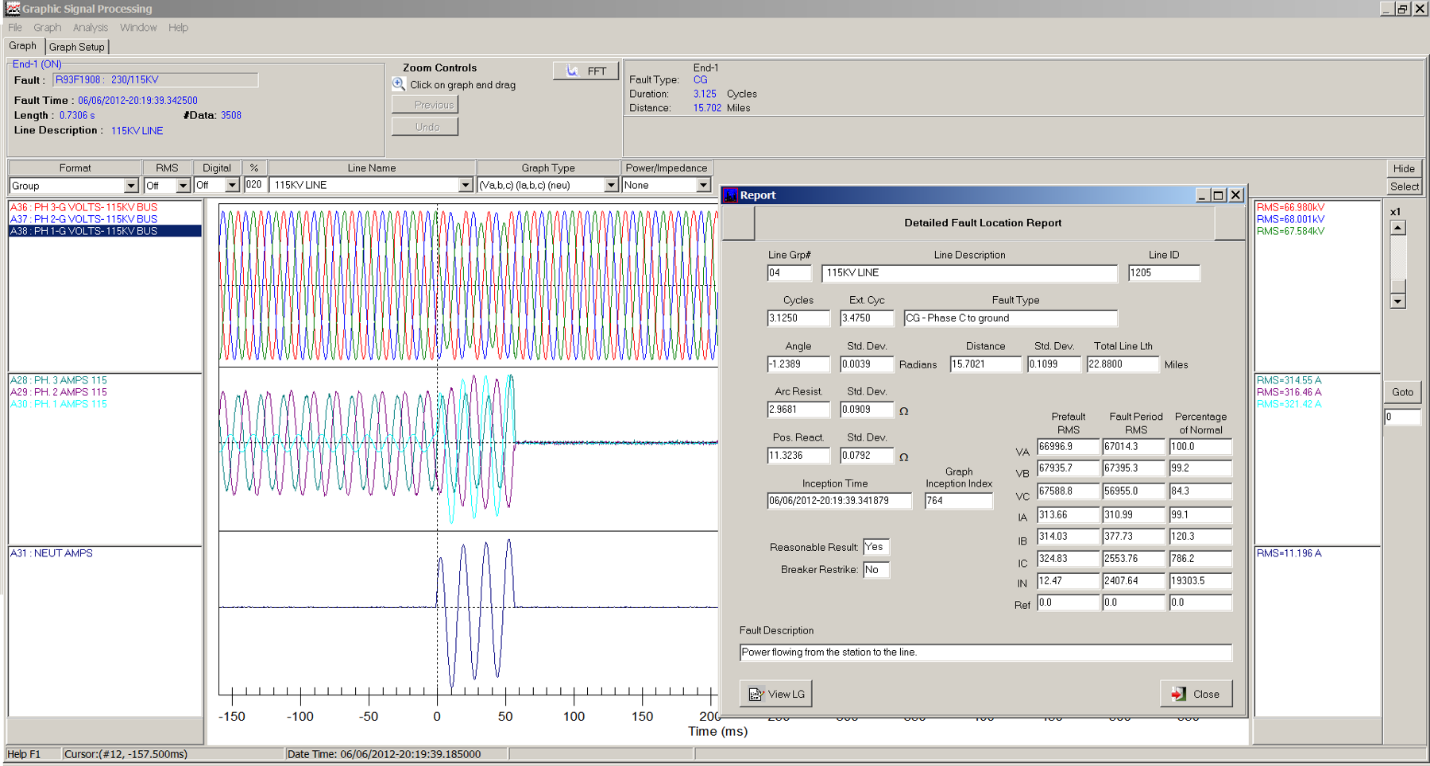
The Digital Fault Recorder (DFR) function of the USI DME systems provides our customers with the ability to analyze system protection operations and circuit breaker performance. USI DRFs record instantaneous values (waveforms) of current and voltages, which are sampled many times per cycle, for time periods on the order of a second. May also record computed quantities
Overall, the purpose of a DFR includes recording power system events (voltage & current magnitudes), capturing the exact time at which a fault occurred, power swings, and abnormal instruments transformer behavior, such as CT saturation, DC offset (inductance of the system), and CCVT response. Additionally, a DFR monitors the protection systems’ performance and checks the power system for failures of a relay to operate as intended (retrofit, trip test switch open, etc.), incorrect tripping of terminals for external faults, determining the optimum line reclose delay, and failure of fault interrupting devices.
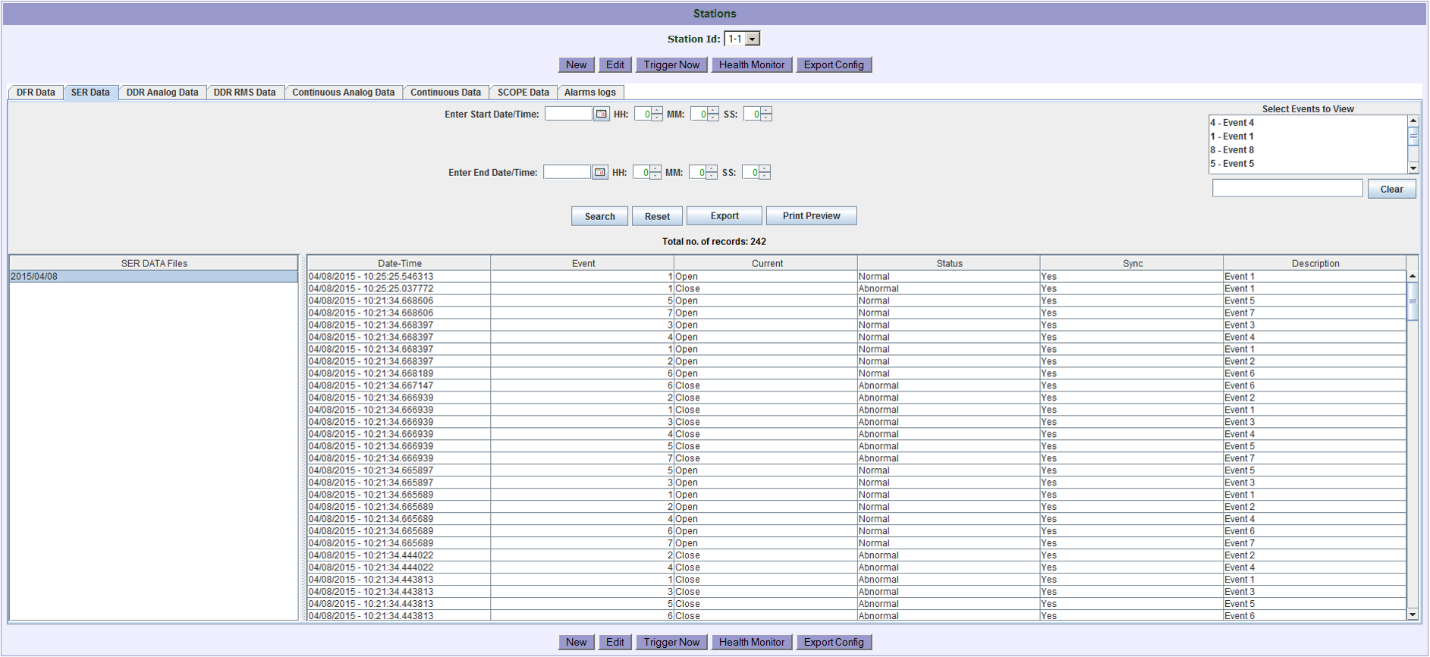
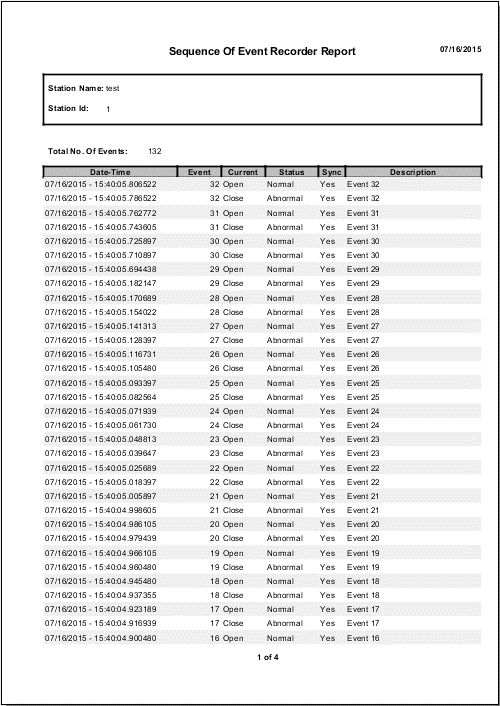
The Sequence of Events Recorder (SER) function can be found in both USI DME systems and standalone USI SER systems. The SER function monitors external inputs and records status changes that occur in the power system. To accomplish this function the SER samples and time stamps operational data in the chronological sequence in which the events take place. This operational data is monitored from substation equipment (i.e., relays, circuit breakers, etc.) and control schemes (automatic and manual) as they react to an event that takes place within the power systems the SER is monitoring. When collected, this data, which can be caused by several different individual events such as a switching operation, mis-operation, or fault, allows the chain of events to be analyzed and studied when searching for the cause of an event that took place within the power systems, as well as the linkages between individual actions and effects.